Telehealth for Women’s Wellness: Weight Management, Hormones and Midlife Support
You meal prep. You exercise. You’ve improved your sleep. You’ve worked on stress.
And you’re still thinking: something feels off.
This can be an important moment in a woman’s wellness journey because sometimes lifestyle changes are part of the answer—but not the entire answer.
Especially in midlife.
Women can experience changes in menstrual cycles, sleep, temperature regulation, mood, energy, body composition, sexual health, and weight during the menopausal transition. Sometimes those concerns deserve more than another wellness hack. They deserve a medical conversation.
The Problem: Women Are Busy
One reason women delay seeking care is surprisingly simple: life.
You have work, family, appointments, school pickups, meetings, and responsibilities. Adding another doctor’s appointment can feel impossible.
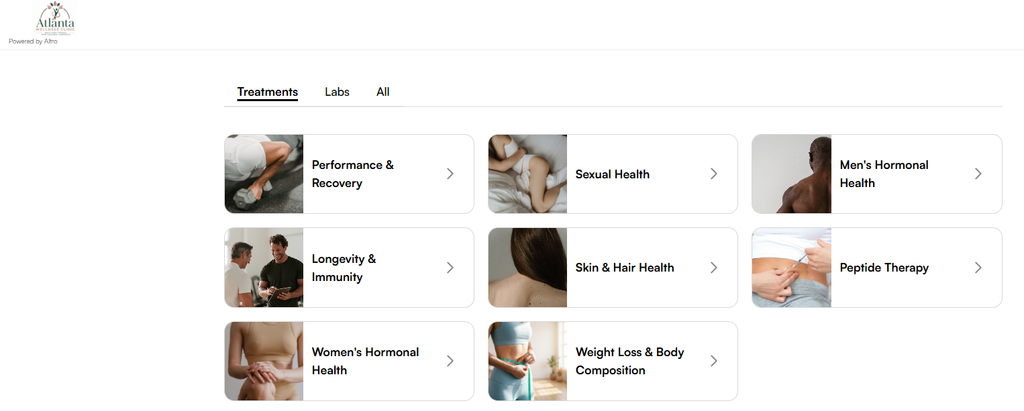
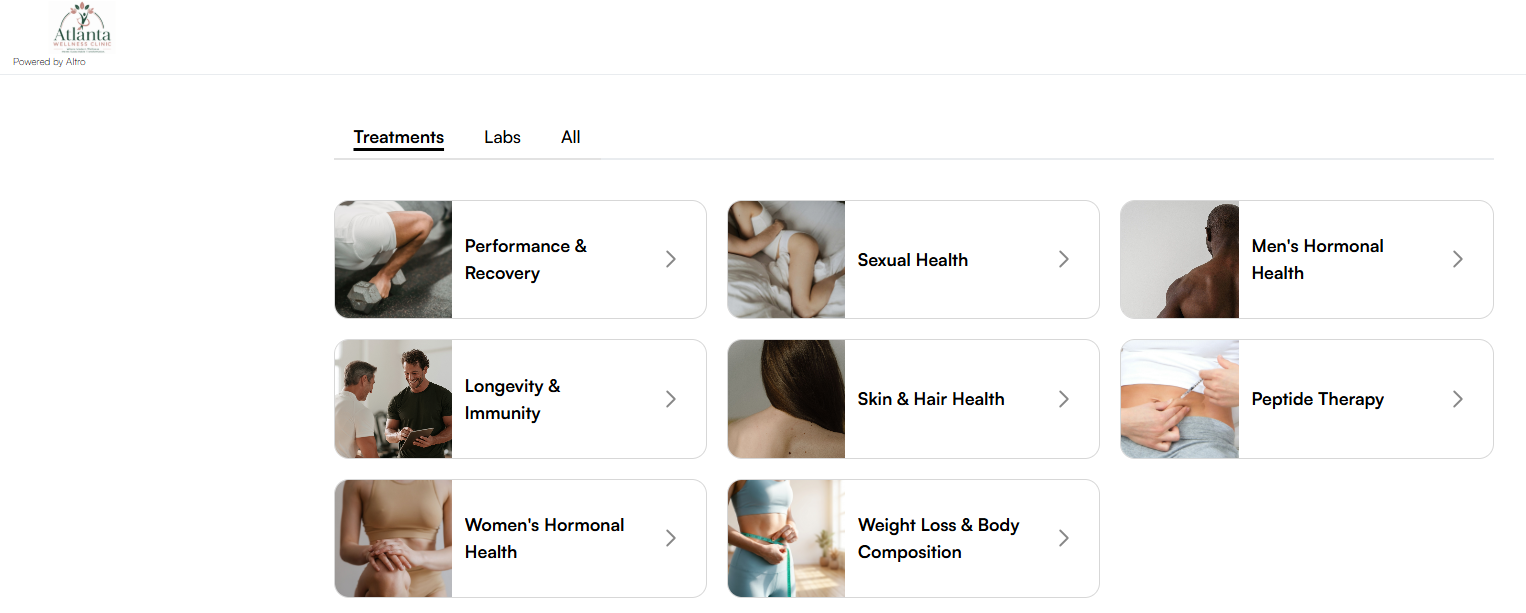
Telehealth can help remove some of that friction by allowing appropriate medical consultations to happen virtually. At Atlanta Wellness Clinic, our telehealth platform expands the ways we can support women who need medical evaluation alongside their nutrition and lifestyle work.
What Can You Discuss Through Telehealth?
Depending on your individual circumstances and medical eligibility, telehealth may provide an opportunity to discuss weight management, perimenopause or menopause symptoms, hormonal concerns, energy changes, sleep concerns, appropriate laboratory evaluation, and treatment options.
A licensed provider determines what evaluation or treatment is appropriate for you. Our goal isn’t to convince every woman that she needs medication or hormone therapy. Our goal is to make it easier for women to have an informed conversation about their health.
Why We Combine Medical Care With Lifestyle Support
The wellness industry often creates a false choice: medication or lifestyle, hormones or nutrition, medical care or coaching.
Why does it have to be either/or?
If a woman and her medical provider determine that hormone therapy or weight-management medication is appropriate, she still needs nutrition, movement, sleep, stress management, and habits.
Likewise, coaching is not a substitute for appropriate medical care. The two can support different parts of the same person.
Hormone Optimization Isn’t a Magic Weight-Loss Button
There was a point in my own journey when I believed that getting my hormones optimized would automatically fix the weight issue. It didn’t.
Addressing my hormones was important for me, but I still had to address my habits, nutrition, movement, and lifestyle.
That experience profoundly influenced the way I approach wellness today. We don’t sell women one magic answer. We help them build the right combination of support.
Where GLP-1 Medications Fit
For medically appropriate patients, GLP-1-based treatment may be one tool considered as part of a weight-management strategy. But medication should not eliminate the conversation about nutrition and lifestyle.
If appetite decreases substantially, nutritional quality becomes especially important. What are you eating when you do eat? Are you getting adequate protein? Are you protecting muscle? Are you hydrated? Are you developing habits that support long-term health?
That’s why our medical weight-management services can be complemented by nutrition and lifestyle coaching.
What If You’re Not Sure What You Need?
You don’t have to know. That’s the point of an assessment.
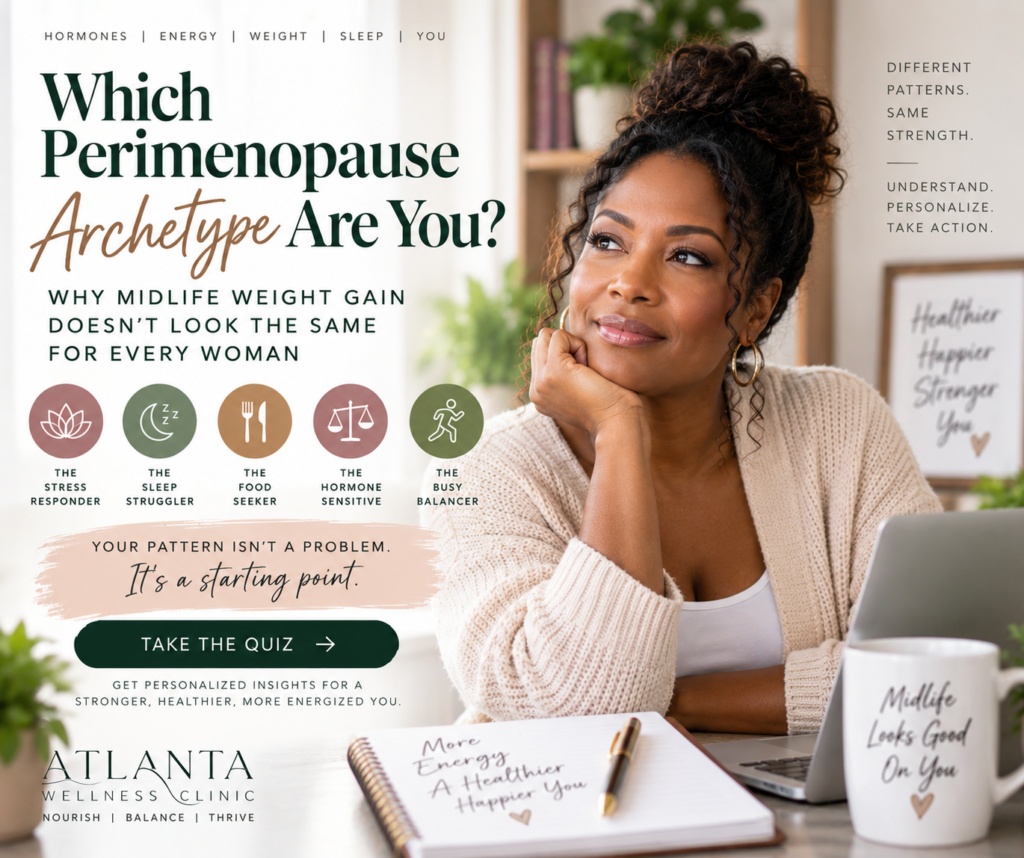
If food and lifestyle feel like your biggest challenge, consider starting with our Nutrition Audit. If you’re experiencing midlife symptoms and aren’t sure where to begin, take our Perimenopause Archetype Quiz. If you’re concerned about hormones or other medical issues, explore our telehealth services.
Your wellness journey doesn’t have to start with the solution. It can start with the question: “What does my body need now?”